Jim Thorpe Center for the Futures of Native Peoples
Dickinson College
Carlisle, PA
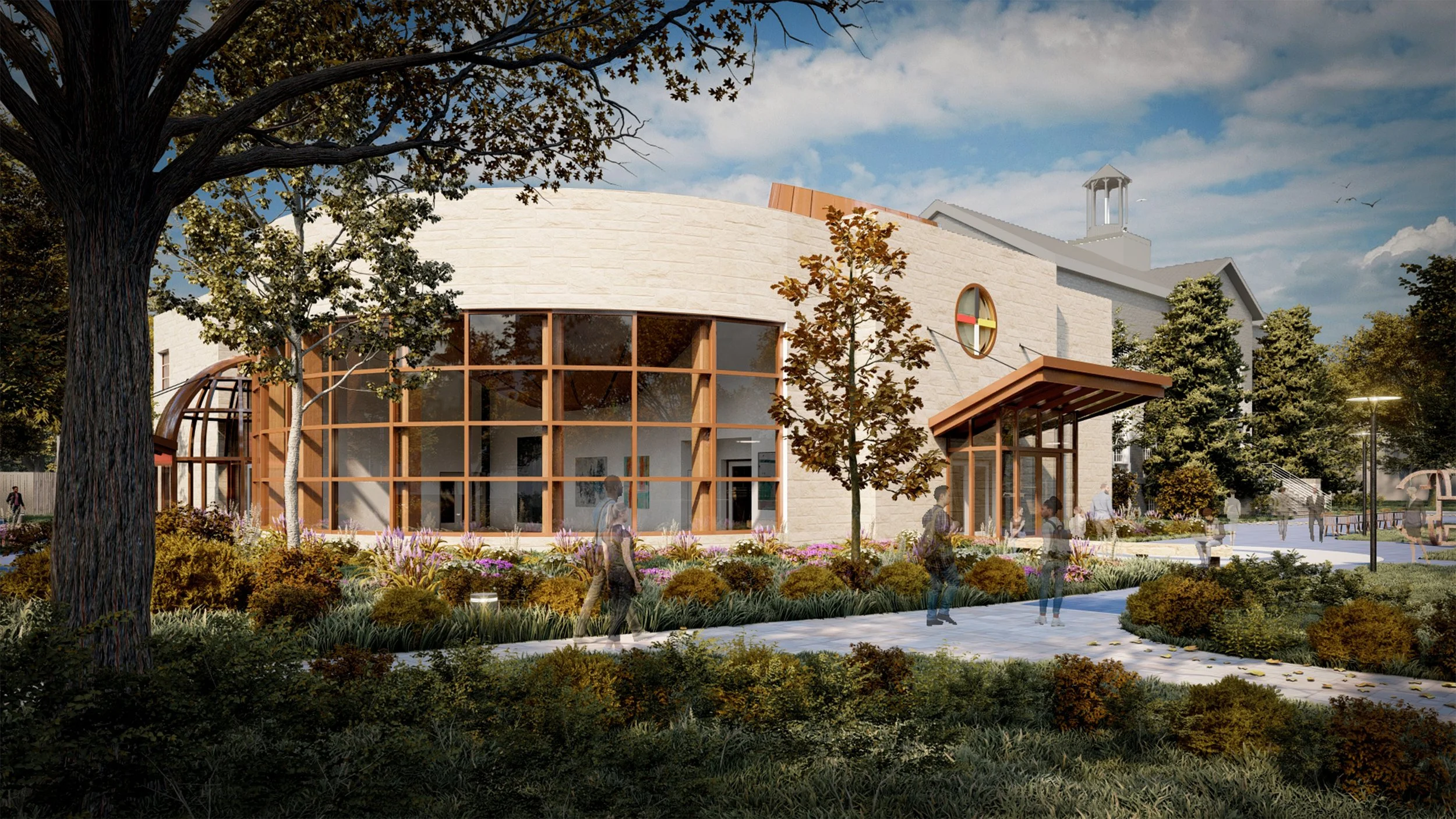
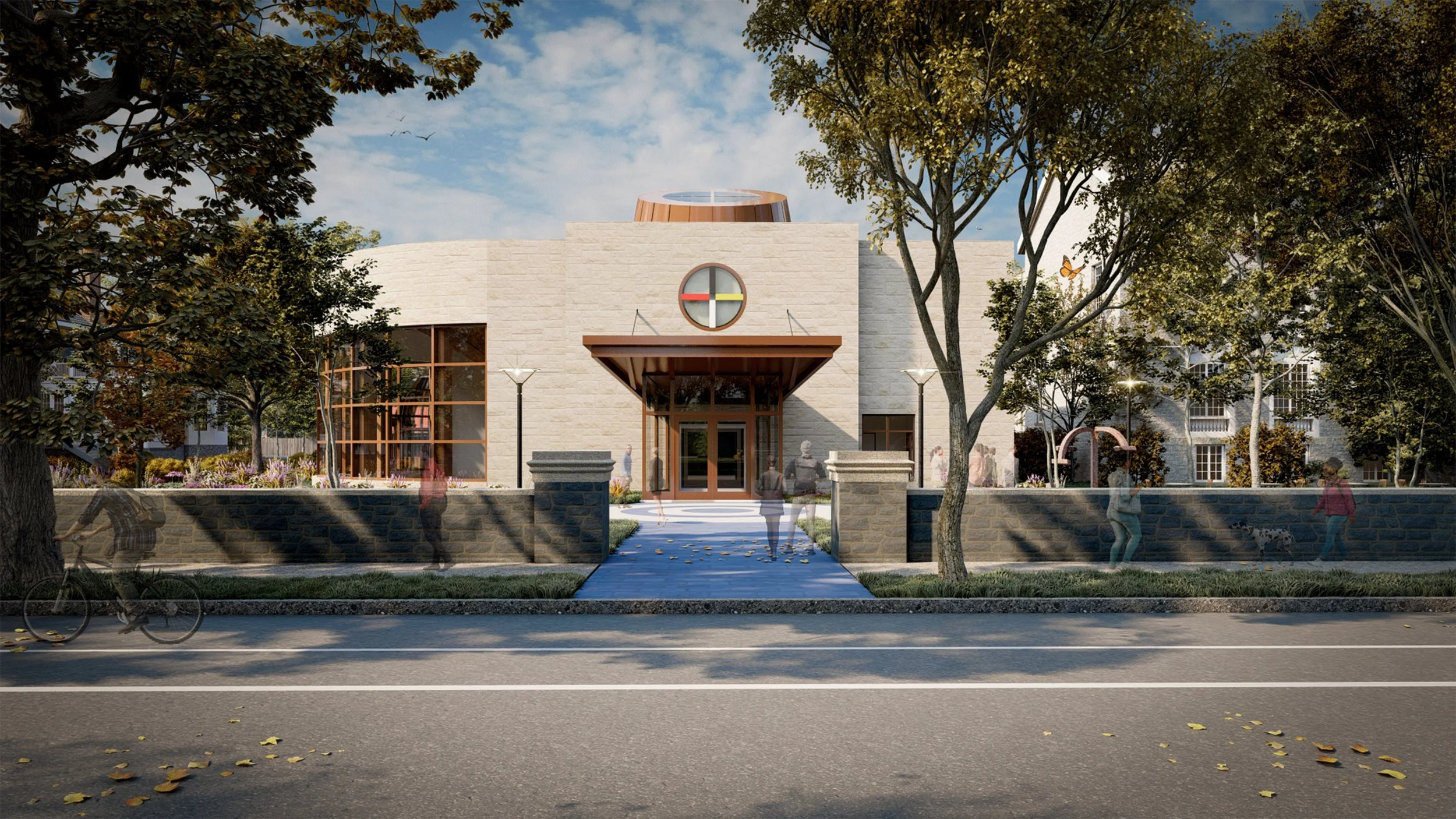
Dickinson College is undertaking the creation of the Jim Thorpe Center for the Futures of Native Peoples and the Samuel G. Rose ’58 Art Gallery as a place dedicated to truth, remembrance, and cultural renewal. Located on the historic campus in Carlisle, Pennsylvania, the project acknowledges the difficult legacy of the nearby Carlisle Indian Industrial School (CIIS), whose mission sought to erase Indigenous cultures and identities. The new Center represents an intentional step toward confronting that history while creating space for learning, healing, and the celebration of Indigenous resilience. The project is envisioned as both a cultural gathering place and an academic resource. Dickinson sought a facility that could welcome Tribal Nations returning to Carlisle, support scholarship and public dialogue, and provide a setting where Indigenous cultures and artistic expression can be experienced and honored.
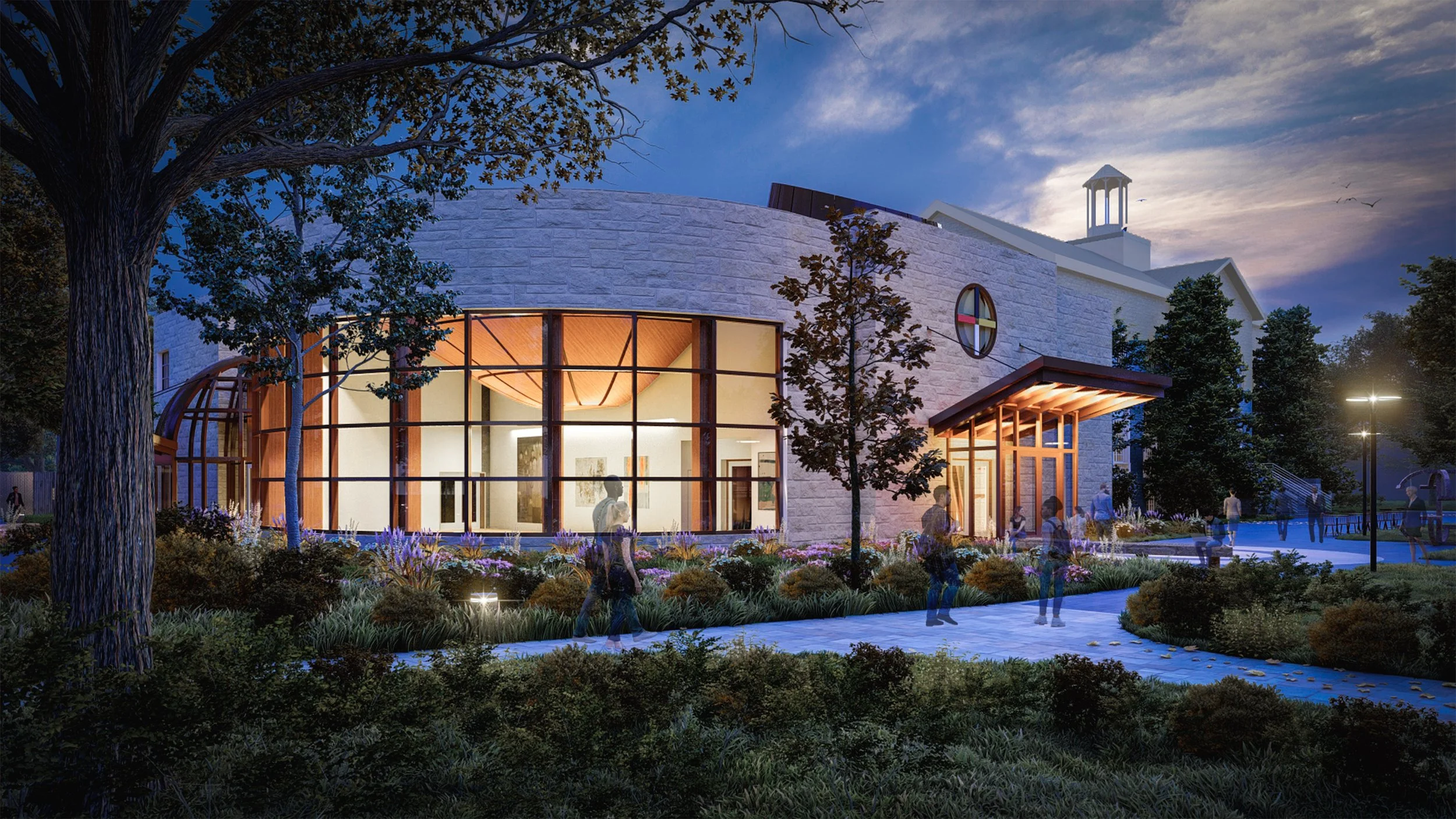
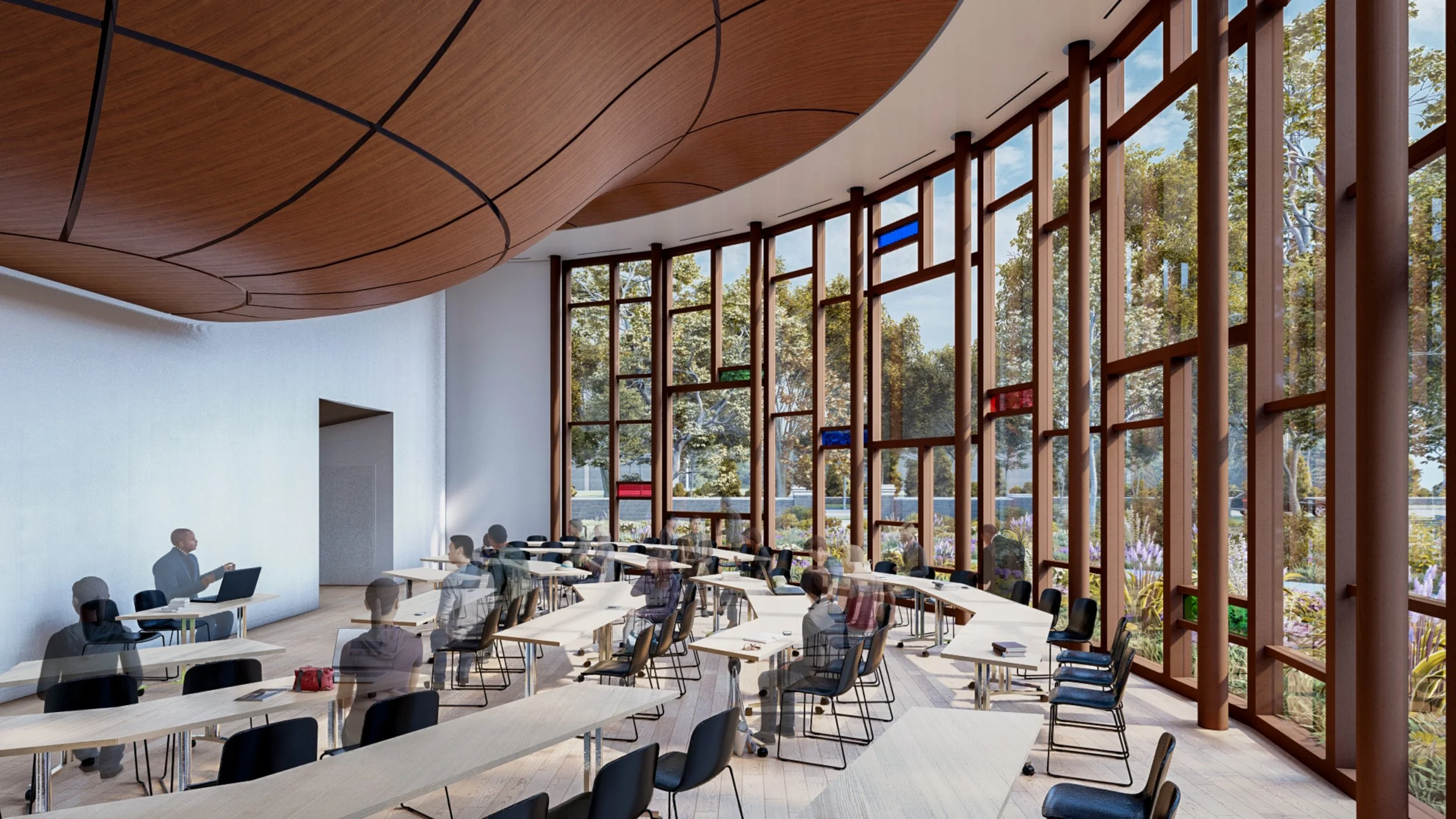
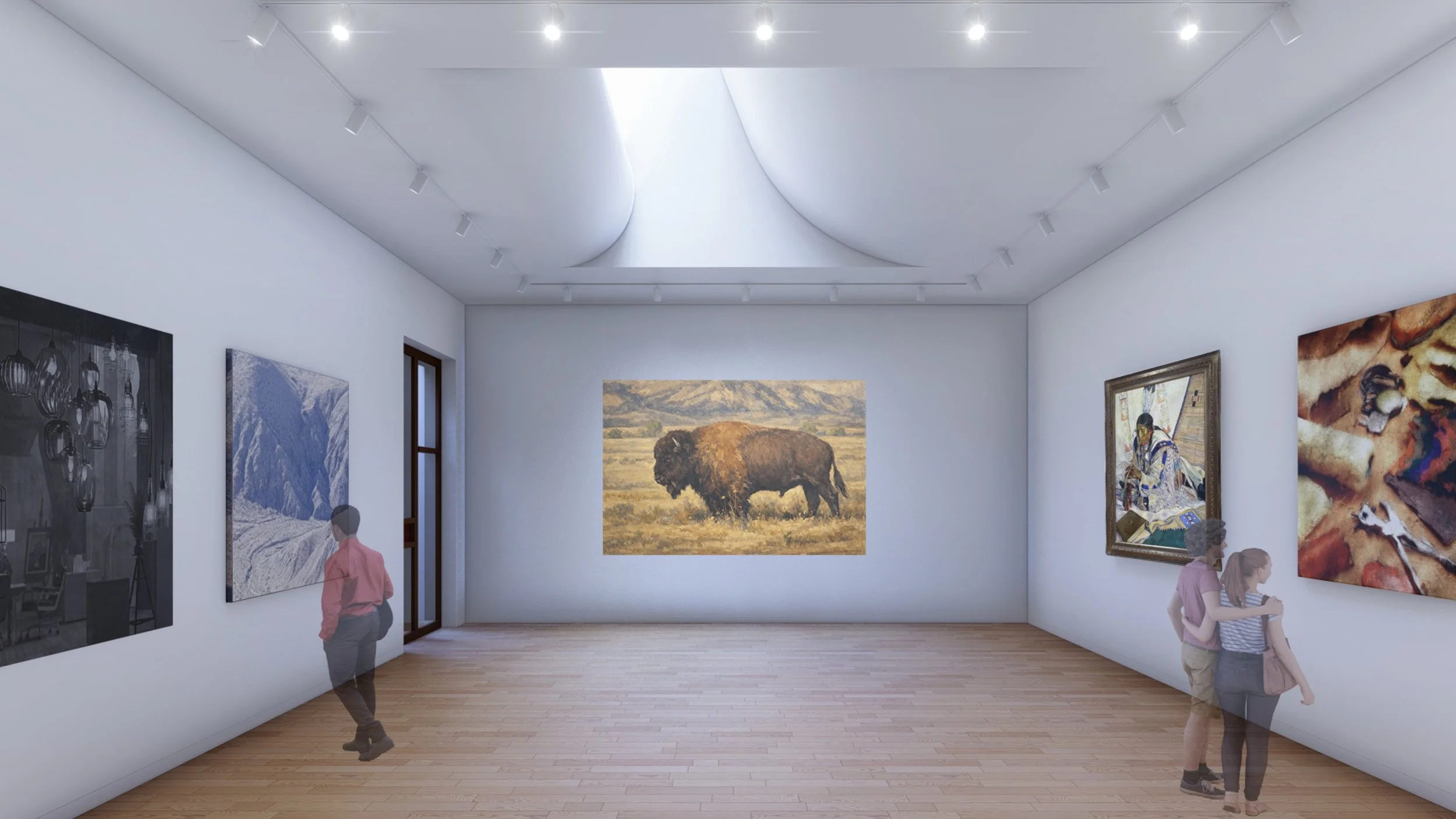
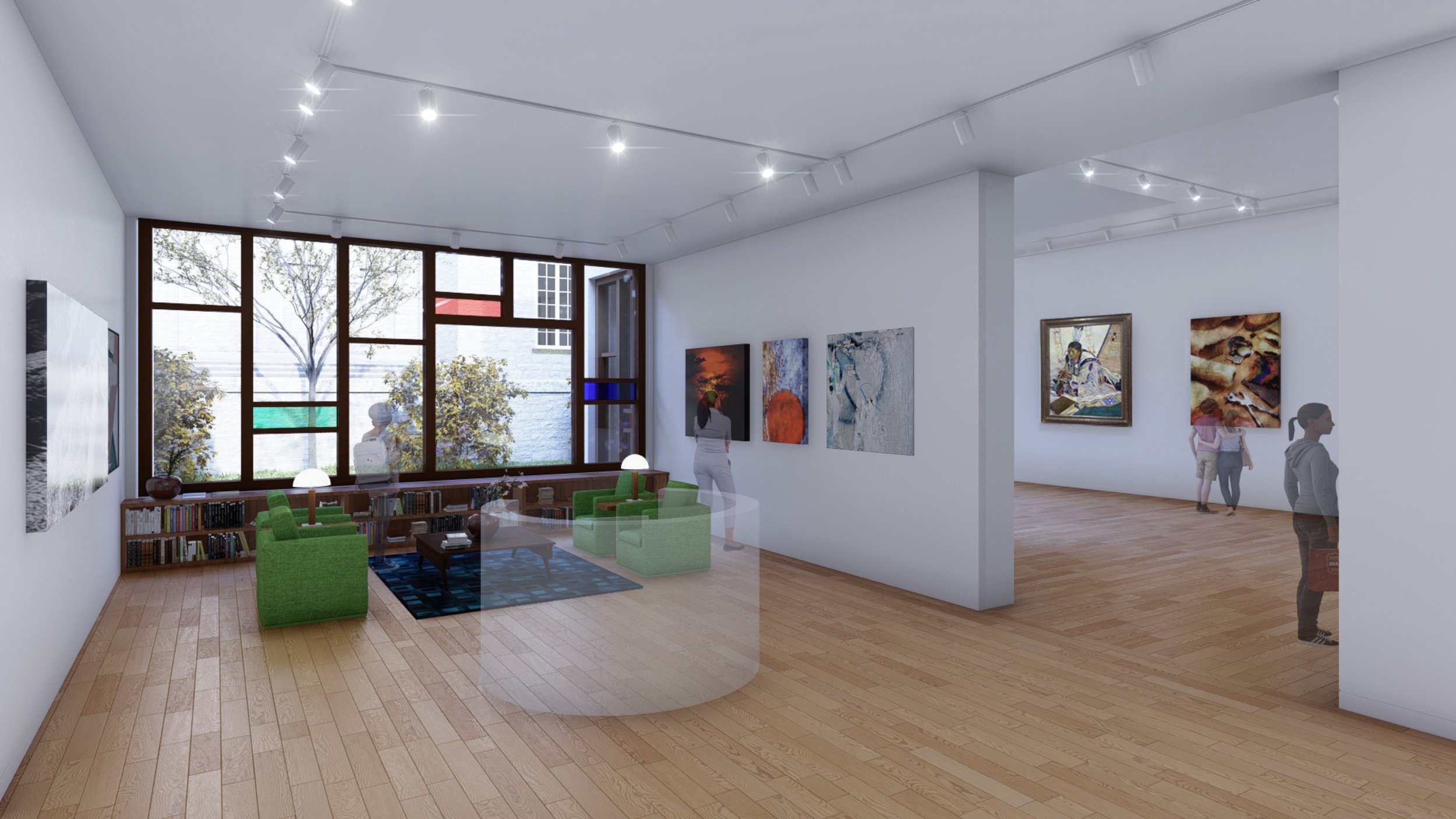
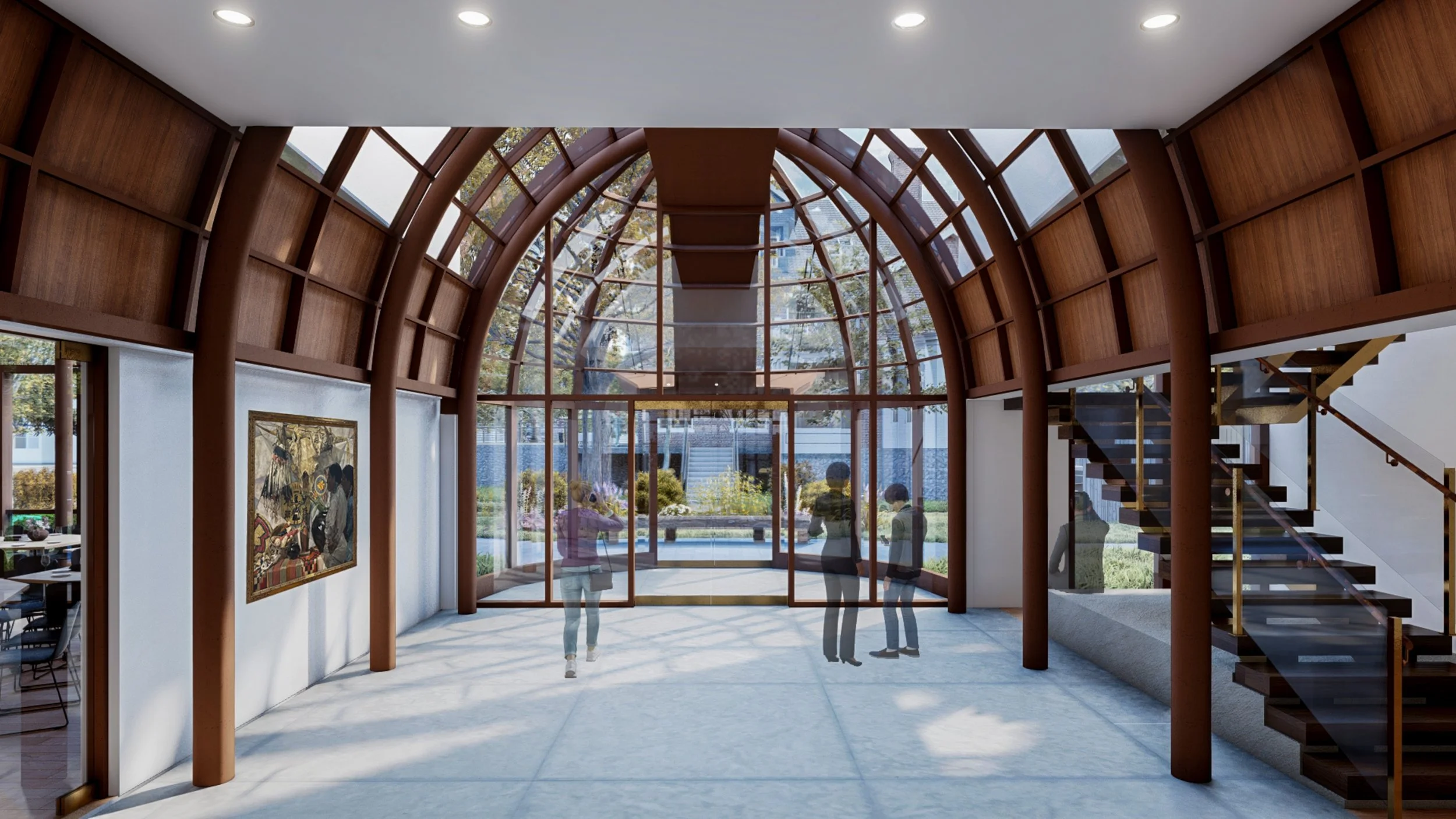
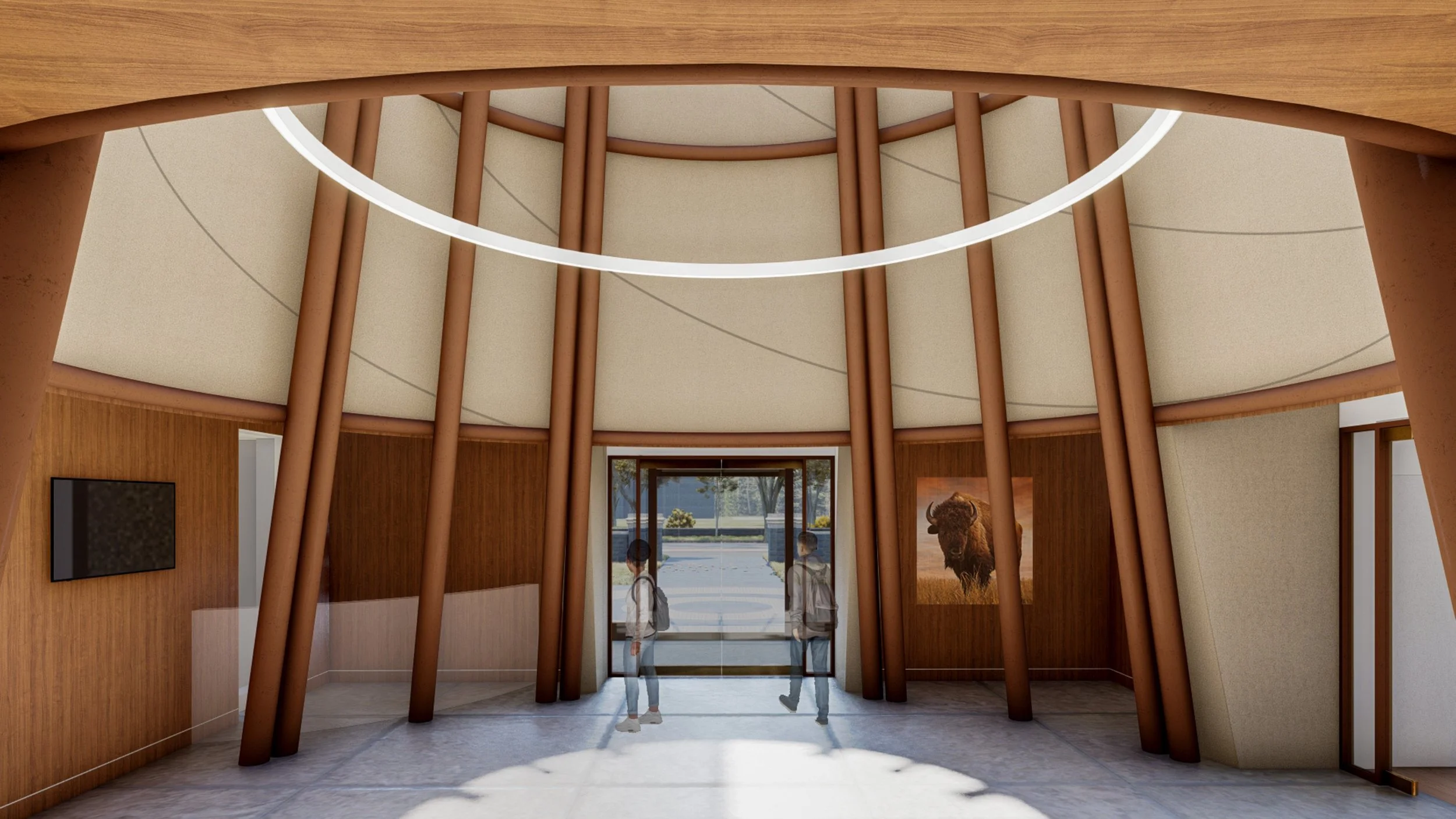
O Z Collaborative serves as architect of record for the new 17,690-square-foot building, working in collaboration with Jones + Jones Architecture and Landscape Architecture as design architect. Guided by the leadership of Principal Johnpaul Jones, FAIA—whose heritage is Choctaw, Cherokee, and Welsh American—the design expresses Indigenous values through form, symbolism, and spatial experience. The two-story building brings together spaces for ceremony, gathering, learning, and artistic exhibition. Dedicated gathering areas support healing, remembrance, and dialogue among Tribal Nations, scholars, and visitors. The Samuel G. Rose ’58 Art Gallery provides space to display an extraordinary collection of Indigenous-themed works and art by leading Native American artists.
Architecturally, the building is informed by Indigenous cultural narratives and geometric forms that reflect the interconnectedness of natural, spiritual, animal, and human realms—concepts often described through the idea of the Four Worlds Gifts. These influences guide the building’s form and spatial organization, creating an environment that expresses modern Indigeneity while honoring cultural traditions. Positioned at a prominent location on campus, the Center is conceived as both a destination and a gateway. Its presence signals Dickinson’s commitment to acknowledging history while supporting Indigenous futures. Through the integration of ceremonial spaces, galleries, and places for gathering and reflection, the Jim Thorpe Center for the Futures of Native Peoples will stand as a place of connection and understanding—welcoming Tribal Nations, students, scholars, and visitors who seek to learn, listen, and walk together in respect.